


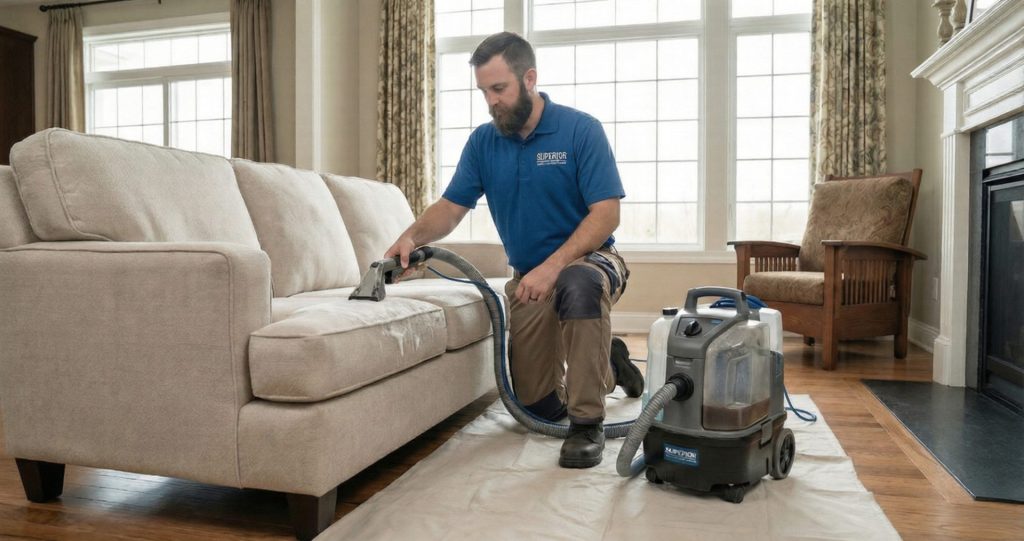
Clean Your Furniture, Protect Your Family: Expert Upholstery Cleaning in Willamina
Welcome to Dr. Carpet Clean, your trusted local source for professional furniture and upholstery cleaning services throughout Willamina, Oregon and surrounding Yamhill County communities. For decades, our family-owned and operated business has been dedicated to protecting family health, restoring furniture beauty, and extending the lifespan of upholstered furnishings in homes throughout the Willamette Valley and Portland region. We understand that upholstered furniture is both a significant investment and a potential source of indoor allergens affecting your family’s health. Our certified professionals are committed to providing expert cleaning services that transform your furniture while safeguarding your family’s respiratory health.
Why Professional Furniture Cleaning Matters for Willamina Homes
The Hidden Health Hazard in Your Upholstered Furniture
Did you know that your sofa, chairs, and upholstered furniture could harbor thousands of dust mites and allergens? According to the U.S. Environmental Protection Agency (EPA), dust mites—the source of one of the most powerful biological allergens—grow in damp, warm environments and can be found in upholstered furniture, mattresses, and bedding.
Research published in peer-reviewed medical journals indicates that mite allergens are found in settled dust in upholstered furniture but not on hard surfaces, making furniture a primary allergen reservoir in homes. A single piece of upholstered furniture can accumulate allergen levels requiring professional remediation to reduce exposure.
The American Lung Association emphasizes that dust mites can live in bedding, mattresses, upholstered furniture, carpets, and curtains, with roughly four out of five homes in the United States having dust mite allergens in at least one bed. But dust mites in upholstered living room furniture represent an additional significant exposure pathway, particularly for individuals who spend hours sitting on contaminated sofas and chairs.
For Willamina residents, professional furniture cleaning is essential protection against the dust mite allergens that thrive in our region’s moist climate.
Dust Mites and Your Family’s Health
Dust mites are microscopic creatures that feed on dead human skin cells and pet dander. According to EPA research on asthma triggers, dust mite body parts and droppings can trigger asthma in individuals with dust mite allergies, and exposure can cause asthma in children who have not previously exhibited asthma symptoms.
Dust mite allergens are among the most potent biological allergens. Unlike pet dander, which remains airborne, dust mite allergens settle quickly into dust and fabrics, making upholstered furniture a primary accumulation site. This settled allergen becomes airborne when you sit on furniture, disturbing the fabric and releasing allergen-laden dust.
The concentration of dust mite allergens in upholstered furniture increases over time. Older furniture and mattresses are likely to have larger numbers of dust mites and have accumulated increased concentrations of dust mite allergen over time, making furniture age a critical factor in allergen load.
Local Community Profile: Willamina, Oregon
Willamina is a vibrant residential community in Yamhill County with approximately 2,286 residents (2025 estimates). Our community features:
- Median household income: $56,211 (according to Data USA)
- Median age: 39 years, indicating a stable, family-focused community
- Housing composition: Primarily owner-occupied, single-family homes
- Rural character: 100% rural living environment where families invest in home comfort
As a family-focused community, Willamina residents understand the importance of maintaining clean, healthy living environments for their families.
Yamhill County’s Homeownership Focus
Willamina is part of Yamhill County, a thriving region in Oregon’s Willamette Valley with:
- Population: Approximately 108,122 residents (2023 data from Data USA)
- Median household income: $87,084
- Median age: 39.5 years
- Housing focus: Strong homeownership rates with well-maintained residential neighborhoods
Throughout Yamhill County, families invest in quality home furnishings, including upholstered sofas, chairs, and other furniture requiring professional care to maintain health and appearance.
Furniture Contamination: What’s Really Hiding in Your Upholstery
Multiple Allergen Sources in Upholstered Furniture
Professional furniture cleaning removes multiple types of accumulated contaminants:
Dust Mites and Their Waste: Dust mites thrive in the warm, humid environment of upholstered furniture. One dust mite produces approximately 200 times its body weight in waste during its lifetime. This waste—along with dust mite body fragments—is a potent allergen triggering respiratory symptoms.
Pet Allergens: Pet dander and saliva proteins accumulate on furniture where pets sit or sleep. Pet allergens from dander, saliva, and urine cling to fabric and remain on furniture, creating exposure for family members through direct contact with furniture.
Pollen and Outdoor Contaminants: Pollen from trees, grasses, and flowering plants settles on upholstered furniture through open windows and air circulation. Oregon’s spring and fall pollen seasons result in significant pollen accumulation on furniture.
Bacteria and Microorganisms: Upholstered furniture harbors bacteria, viruses, and other microorganisms that thrive in the dust-rich, humid environment of fabric-covered furniture.
Food Particles and Spills: Furniture used for eating or entertaining accumulates food particles, sticky residue, and spills that promote microbial growth and attract pests.
Dead Skin Cells and Body Oils: Humans naturally shed approximately 1.5 grams of dead skin daily. Much of this settles on upholstered furniture where we sit and recline, providing food for dust mites.
Mold and Mildew Spores: Oregon’s moisture supports mold and mildew growth in upholstered furniture, particularly in living rooms with moisture exposure or inadequate ventilation.
Why Vacuuming Furniture Alone Isn’t Sufficient
While vacuuming provides important surface cleaning benefits, it cannot adequately address the deep contamination in upholstered furniture. Vacuum cleaning:
- Removes only surface dust
- Cannot reach dust mites deep within cushioning
- Cannot remove embedded pet dander
- Cannot eliminate sticky residue or spills
- Cannot significantly reduce settled allergens in fabric
Professional cleaning addresses deep contamination that vacuuming cannot reach.
Oregon’s Climate and Furniture Health Challenges
Pacific Northwest Humidity and Dust Mite Proliferation
Willamina’s climate presents optimal conditions for dust mite proliferation in upholstered furniture. Humidity is the most important factor in determining whether a house has high levels of dust mites, as dust mites absorb moisture from the air and cannot survive in areas with low humidity.
Willamina’s relative humidity typically ranges from 65-75% throughout the year, with higher levels during fall and winter months. This climate is ideal for dust mite survival and reproduction in upholstered furniture.
The EPA recommends maintaining relative humidity between 30-50% to minimize dust mite populations, but achieving these levels in our moisture-rich climate requires consistent effort with dehumidifiers and air conditioning.
Professional furniture cleaning complements humidity management by removing dust mite populations and allergens that accumulated during high-humidity periods.
Seasonal Moisture and Furniture Damage
Oregon winters bring substantial moisture through rainfall and indoor moisture from daily living. Upholstered furniture exposed to excess moisture develops mold and mildew growth, creating health hazards and furniture damage. Professional cleaning with proper drying helps prevent moisture-related deterioration.
Professional Furniture Cleaning Methods
Our Comprehensive Approach
Dr. Carpet Clean provides thorough upholstery and furniture cleaning services tailored to each furniture piece’s material, construction, and contamination level.
Step 1: Fabric Assessment and Material Identification We assess your furniture’s fabric material (natural or synthetic fibers), color stability, construction quality, and condition. We identify any damage, stains, or special concerns requiring particular attention.
Step 2: Testing for Colorfastness and Dye Stability Before cleaning, we test fabric colors to ensure dyes won’t bleed or fade. This critical step protects your furniture from damage.
Step 3: Pre-Treatment and Spot Cleaning We apply appropriate pre-treatments to break down oils, set-in stains, and heavy soiling. Spot treatments address specific stains with methods tailored to stain type and fabric material.
Step 4: Professional Hot Water Extraction or Dry Cleaning Depending on furniture material and condition, we use either:
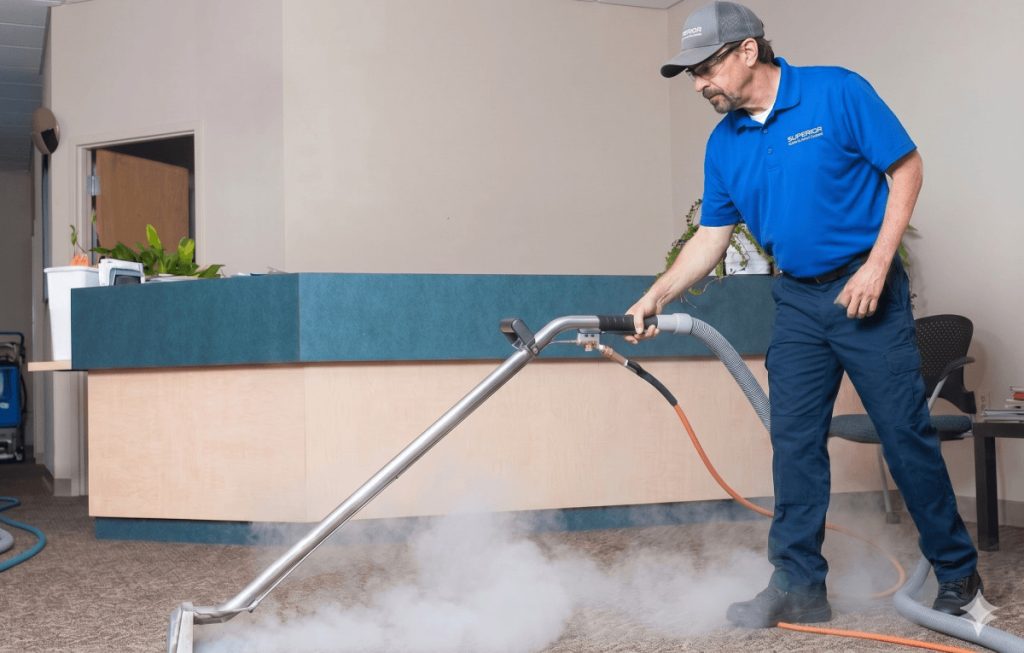
- Hot water extraction (steam cleaning) for most furniture fabrics, injecting heated water and cleaning solution deep into fibers, agitating to release contaminants, then extracting via powerful suction
- Dry cleaning methods for delicate fabrics sensitive to moisture
Step 5: Thorough Extraction and Moisture Removal We use high-powered extraction equipment to remove moisture, dirt, and contaminants. Proper moisture removal prevents mold growth and ensures rapid drying in Oregon’s humid climate.
Step 6: Grooming and Final Drying We groom furniture fibers to restore appearance and texture, then ensure complete drying using air circulation and dehumidification equipment.
Step 7: Final Inspection We inspect cleaned furniture, verify stain removal, and ensure it meets our quality standards.
Heat Treatment for Dust Mite Elimination
Professional hot water extraction cleaning uses heated water that can reach temperatures around 130-150°F. According to allergen research, dust mites die at around 50°C (122°F), meaning professional steam cleaning temperatures exceed the threshold needed to kill dust mites present in furniture.
This heat treatment component makes professional cleaning far more effective than DIY approaches for allergen elimination.
Why Professional Service Exceeds DIY Approaches
Expert Knowledge and Appropriate Solutions
Professional technicians understand how different fabric materials respond to cleaning. Microfiber requires different treatment than natural cotton or wool. Delicate vintage fabrics require specialized care. We match cleaning methods to your furniture’s specific composition.
Consumer-grade cleaning products often contain harsh chemicals, excess moisture, or ingredients that can damage fabrics or leave harmful residue. Professional-grade solutions are formulated for effectiveness and safety.
Powerful Equipment and Moisture Management
Professional equipment includes high-powered extraction systems with greater suction than consumer equipment. Proper moisture removal prevents mold growth critical in Oregon’s climate and reduces drying time from 24-48 hours to 4-12 hours.
Effective Allergen Removal
Professional cleaning achieves dust mite and allergen reduction that DIY approaches cannot match. Research shows that professional cleaning combined with heat treatment significantly reduces dust mite populations in furniture.
Areas We Serve: Protecting Willamina and Beyond
Dr. Carpet Clean proudly serves Willamina and all surrounding communities throughout Yamhill County and beyond.
Primary Service Area
Willamina: We serve Willamina homes with convenient, responsive service.
McMinnville (15 miles northeast): Yamhill County’s largest city with over 32,000 residents, McMinnville families benefit from our professional furniture cleaning services.
Newberg (12 miles north): Growing community with modern residential developments, Newberg residents depend on our furniture cleaning services.
Lafayette (8 miles southeast): Historic Lafayette with established neighborhoods features many beautiful homes with quality furnishings we’re honored to serve.
Sheridan (2 miles northeast): Our closest neighboring community receives convenient, prompt service.
Extended Service Territory
We also serve Amity, Dayton, Carlton, Yamhill, St. Paul, Dundee, and communities throughout the Willamette Valley, plus extended service areas into Portland region communities.
Why Dr. Carpet Clean for Your Furniture Cleaning?
Family-Owned Trust Built Over Decades
Dr. Carpet Clean is a genuinely family-owned, locally-operated business with decades of commitment to Willamina and Yamhill County communities.
BBB Accreditation and Professional Standards
We hold Better Business Bureau accreditation, demonstrating our commitment to ethical business practices and genuine customer satisfaction.
Five-Star Customer Satisfaction
Our raving five-star reviews from real customers reflect our commitment to quality work and genuine care for protecting your valuable furniture.
Certified Professionals and Proper Equipment
All Dr. Carpet Clean technicians are trained and certified in professional furniture cleaning. We invest in proper equipment designed specifically for upholstery cleaning.
Multiple Service Locations
Our family of locations throughout the Willamette Valley and Portland area means convenient service access regardless of where you live.
Local Knowledge and Community Commitment
As Willamina residents, we understand our community’s moisture challenges and dust mite proliferation in our region’s climate.
Frequently Asked Questions
How often should my upholstered furniture be professionally cleaned?
For most households, professional furniture cleaning every 12-18 months provides excellent maintenance. More frequent cleaning (every 6-12 months) is recommended for high-traffic furniture, homes with pets, families with allergies or asthma, or older furniture that has accumulated significant allergens. We'll assess your furniture and recommend appropriate cleaning frequency.
Will professional cleaning damage my furniture?
No. Professional cleaning, when performed correctly, protects your furniture by removing damaging contaminants. Our technicians are trained to use appropriate moisture levels and solutions that protect fabrics while achieving thorough cleaning.
What's the difference between hot water extraction and dry cleaning?
Hot water extraction (steam cleaning) uses heated water and cleaning solution injected into fibers, agitated to release contaminants, then extracted via powerful suction. This method is highly effective for most furniture. Dry cleaning uses specialized compounds applied to fibers, worked in to break down contaminants, then vacuumed away. Dry cleaning is preferred for delicate fabrics sensitive to moisture. We recommend the best method for your specific furniture.
How long does furniture cleaning take and how long until it's dry?
Cleaning time varies based on furniture size and contamination level. Most furniture cleaning takes 1-3 hours. Drying time ranges from 4-12 hours for professionally cleaned furniture with proper extraction and air circulation, compared to 24-48 hours for DIY rental equipment.
Can professional cleaning remove set-in stains?
Many set-in stains can be removed or significantly improved through professional treatment. Success depends on stain type, stain age, fabric material, and dye type. We assess stains and recommend appropriate treatments.
Is professional furniture cleaning safe for families with allergies or asthma?
Yes, absolutely. Professional cleaning actually benefits families with allergies and asthma by removing dust, dust mites, pollen, pet dander, and other allergens accumulated in furniture. After professional cleaning, families often notice reduced symptoms. Families can remain in the home during cleaning; we simply recommend they avoid the area being cleaned.
What about pet stains and odors in furniture?
Professional cleaning effectively addresses pet stains and associated odors. We use specialized treatments for pet accidents that break down urine compounds and remove odor-causing bacteria.
Do you offer cleaning for fabric and leather furniture?
Yes! We clean both fabric and leather upholstered furniture using methods and solutions appropriate to each material type. Leather requires specialized care and products designed specifically for leather protection and conditioning.
Can humidity control help reduce dust mites between professional cleanings?
Yes. Maintaining relative humidity below 50% significantly reduces dust mite populations. Using dehumidifiers, air conditioning, and proper ventilation helps manage dust mite growth between professional cleanings. We can provide guidance on humidity management specific to your situation.
What should I do between professional cleanings?
Regular vacuuming with a HEPA-filter vacuum (weekly for high-use furniture), immediate spill cleanup, humidity management (below 50%), and avoiding eating on furniture all help maintain furniture between professional cleanings.
What areas do you serve?
We serve Willamina and all surrounding Yamhill County communities including McMinnville, Newberg, Lafayette, Sheridan, and many more. We also serve extended areas throughout the Willamette Valley and into Portland region communities.
Do you offer free consultations?
Yes! We provide free, no-obligation consultations and assessments. We'll evaluate your furniture, discuss condition and specific needs, and provide detailed information about recommended services.
Are your technicians insured and certified?
Absolutely. All Dr. Carpet Clean technicians are professionally trained, certified in furniture cleaning, and fully insured. We maintain professional standards and stay current with industry best practices.
Fabric Types and Their Specific Care Requirements
Understanding Your Furniture’s Material
Different upholstery fabrics require specific cleaning approaches:
Natural Fibers (Cotton, Wool, Linen): Natural fibers are durable and often respond well to professional steam cleaning. Wool has natural properties that resist staining due to its scaly fiber structure that repels liquids. Linen is lightweight but durable. Professional cleaning preserves these natural benefits while removing accumulated allergens and contaminants that natural fibers trap over time.
Synthetic Fibers (Polyester, Acrylic, Microfiber): Synthetic upholstery is engineered for durability and typically tolerates aggressive cleaning approaches. Professional hot water extraction works excellently for synthetics, effectively removing deep-seated dust mites and allergens that would require multiple DIY cleaning attempts.
Blended Fabrics: Furniture combining natural and synthetic fibers requires assessment of the most delicate component to determine appropriate cleaning methods, temperature, and chemical treatments. We analyze fiber composition to ensure optimal results without damage.
Microfiber: Microfiber upholstery is engineered to resist dust mite accumulation better than natural fibers because its synthetic composition provides fewer food sources for mites. However, professional cleaning still removes surface dust, allergens, and contaminants that accumulate despite microfiber’s natural resistance properties.
Leather: Leather upholstery requires specialized treatment with pH-balanced cleaners and conditioning products designed to protect leather while removing surface contaminants. Professional leather cleaning maintains suppleness, prevents cracking, and extends lifespan. Unlike fabric upholstery, leather resists dust mite colonization due to its smooth, sealed surface.
Antique or Vintage Fabrics: Precious or antique upholstery requires specialized care from technicians experienced with delicate vintage materials, using appropriate methods and solutions to preserve fabric integrity, appearance, and value.
Performance Fabrics: Modern performance fabrics are engineered to resist staining and moisture. Professional cleaning of performance fabrics uses appropriate solutions that leverage their stain-resistance properties while removing accumulated allergens.
Professional expertise ensures your specific furniture receives optimal cleaning without damage while effectively removing allergens and contaminants.
Comprehensive Furniture Maintenance Between Professional Cleanings
Daily and Weekly Maintenance
Weekly HEPA Vacuuming: Vacuum upholstered furniture weekly with a HEPA-filter vacuum. HEPA filters (High-Efficiency Particulate Air) capture dust mites, dust mite allergens, pollen, pet dander, and other fine particles rather than redistributing them into the air. For high-traffic furniture, furniture in homes with pets, or households with allergy sufferers, vacuum 2-3 times weekly.
When vacuuming, focus on seams, welts, and crevices where dust concentrates. Use upholstery attachments designed for furniture rather than full-size vacuum heads. Slow, overlapping passes allow the vacuum to capture particles more effectively than rapid sweeping.
Humidity Management: Maintain relative humidity below 50% to prevent dust mite proliferation. Methods include:
- Running air conditioning during warm months
- Using dehumidifiers in moisture-prone rooms
- Ensuring proper ventilation through windows and exhaust fans
- Avoiding steam humidifiers that increase moisture
- Using basement dehumidifiers if furniture is stored below
The EPA recommends maintaining relative humidity between 30-50% to minimize dust mite populations. In Oregon’s moisture-rich climate, achieving these levels requires consistent effort, but the health benefits justify the investment.
Spill Management: Address spills immediately to prevent staining, mold growth, and moisture-related damage. Best practices include:
- Blot (don’t rub) spills with clean, white cloth
- Work from the outside of the spill toward the center to prevent spreading
- Use cold water for initial blotting; warm water for stubborn spills
- Avoid over-wetting—use minimal moisture
- Allow air circulation and dehumidification for drying
Prompt spill management prevents many stains from setting permanently and prevents moisture-related mold growth critical in our climate.
Dust with Damp Cloth: Weekly dry-dusting of furniture exteriors and wooden frames helps remove dust before it settles into upholstery. Use barely damp microfiber cloths rather than dry cloths; dry dusting redistributes particles into the air where they can be inhaled.
Furniture Covers and Protection Strategies
Washable Furniture Covers: Consider using washable throws and furniture covers in high-traffic areas, homes with pets, or on furniture used by family members with dust mite allergies. Covers protect underlying upholstery while allowing regular washing at home in hot water (130°F+) to kill dust mites.
Furniture Arrangement: Ensure air circulation around furniture to prevent moisture accumulation. Avoid placing upholstered furniture directly against exterior walls (which may have moisture issues) or in corners with poor air circulation.
Pet Management: Dust mites can appear in nearly all homes, but their populations are significantly higher on furniture where pets spend time due to accumulated pet dander. Strategies to reduce pet-related allergen accumulation include:
Monthly and Seasonal Maintenance
Monthly Deep Inspection: Monthly visual inspection helps identify stains, damage, or moisture issues early. Check for:
- Water stains or moisture marks
- Signs of mold or mildew (dark spots, musty odors)
- Wear patterns in high-use areas
- Sunlight fading on exposed sides
Early identification allows prompt professional treatment before minor issues become major damage.
Seasonal Humidity Adjustment: Seasonal changes affect furniture care:
- Fall: Increase dehumidifier use as exterior moisture increases
- Winter: Monitor humidity closely; heating systems can lower humidity, but external moisture remains high
- Spring: Professional cleaning before pollen season removes dust mite populations accumulated during winter
- Summer: Continue humidity management; occasional temporary humidity spikes can support mite growth
Why Between-Cleaning Maintenance Cannot Replace Professional Service
While proper maintenance extends the time between professional cleanings and prevents damage, it cannot replace professional cleaning’s deep allergen and contaminant removal. Vacuuming removes surface dust; professional cleaning removes dust mites deep within cushioning, embedded pet dander, and settled allergens that vacuuming cannot reach.
Research demonstrates that professional cleaning combined with vacuuming reduces allergen levels far more effectively than vacuuming alone. The combination of regular proper maintenance plus professional cleaning every 12-18 months provides optimal furniture care and health benefits.
Allergen Management Strategy for Willamina Families
Understanding Your Furniture’s Allergen Risk
Several factors determine allergen accumulation rate in your furniture:
Furniture Age: Older furniture and mattresses are likely to have larger numbers of dust mites and have accumulated increased concentrations of dust mite allergen over time. Furniture older than 10-15 years typically requires more frequent professional cleaning.
Household Composition: Homes with pets have higher allergen accumulation from pet dander. Families with young children generate more dead skin cell debris. Multiple family members sharing furniture increases allergen concentration.
Humidity Management: Homes maintaining humidity below 50% have significantly lower dust mite populations than homes with higher humidity. If humidity is consistently above 60%, professional cleaning frequency should increase.
Furniture Usage: High-traffic furniture used by multiple people daily accumulates allergens faster than lightly-used pieces. Living room sofas require more frequent cleaning than guest room chairs.
Allergy/Asthma Status: Families with members having dust mite allergies or asthma benefit from more aggressive allergen management through more frequent professional cleaning (every 6-12 months).
Real Results: What to Expect After Professional Furniture Cleaning
Immediate Benefits (Days 1-7)
Dramatically Improved Appearance: The most immediately noticeable benefit is restored color vibrancy and cleanliness. Dust accumulation, grime, and stains dull upholstery appearance. After professional cleaning, colors appear brighter, patterns more distinct, and overall furniture appearance refreshed and renewed.
Fresh Scent: Odors from accumulated dust, pet accidents, food spills, mold growth, or stale air disappear completely. Your furniture smells fresh, clean, and inviting after professional cleaning.
Improved Comfort: Cleaned furniture feels softer and more comfortable. Fibers are refreshed and return to original texture. The tactile experience of sitting on clean furniture is noticeably more pleasant than sitting on contaminated furniture.
Reduced Allergen Exposure: Families with allergies or asthma often notice reduced symptoms within 24-72 hours of professional furniture cleaning. Congestion improves, nighttime coughing decreases, sneezing reduces, and daytime energy improves as allergen exposure decreases.
Medium-Term Benefits (Weeks 2-8)
Sustained Respiratory Improvement: Over weeks following professional cleaning, respiratory benefits accumulate and stabilize. Sleep quality improves significantly for individuals with respiratory sensitivities who spend hours on cleaned furniture (particularly on sofas while watching television or reading).
Reduced Medication Requirements: Individuals with allergies or asthma may find they require less medication as daily allergen exposure decreases. Some report being able to reduce or eliminate antihistamines or inhalers.
Protected Investment: Furniture investments are protected through removal of damaging contaminants and allergens that would otherwise continue accumulating and causing deterioration.
Visible Longevity: With professional cleaning, your furniture maintains beautiful appearance rather than gradually becoming dull, dingy, and visibly worn.
Long-Term Benefits (Months 3+)
Extended Furniture Lifespan: Well-maintained upholstered furniture lasts 15-20+ years with proper care. Dust, allergens, and contaminants embedded in fabric act like sandpaper, wearing fibers, weakening welds, and deteriorating finish over time. Professional cleaning removes these damaging contaminants, extending furniture lifespan by 5-10+ years compared to untreated furniture.
Health Benefits Accumulation: Regular professional cleaning maintains low allergen levels throughout your furniture’s lifespan. The cumulative health benefits over years of reduced allergen exposure contribute significantly to respiratory health, better sleep quality, improved quality of life, and reduced medical costs for allergy and asthma management.
Cost Savings Through Longevity: Professional cleaning costs approximately $200-400 annually. A quality sofa costs $2,000-5,000+. Professional cleaning extending sofa lifespan by 5-10 years saves thousands in replacement costs. Additionally, delaying furniture replacement reduces overall household expenses and environmental impact of frequent furniture replacement.
Maintained Home Value: Well-maintained furniture contributes to overall home appearance and value. Visitors and potential home buyers notice clean, well-maintained furnishings, which enhances perception of the entire home.
Furniture Allergen Management Strategy for Willamina Families
Understanding Your Furniture’s Allergen Risk
Several factors determine allergen accumulation rate in your furniture:
Furniture Age: Older furniture and mattresses are likely to have larger numbers of dust mites and have accumulated increased concentrations of dust mite allergen over time. Furniture older than 10-15 years typically requires more frequent professional cleaning due to years of accumulated dust mite colonies.
Household Composition: Homes with pets have significantly higher allergen accumulation from pet dander and saliva proteins. Families with young children generate more dead skin cell debris per capita. Multiple family members sharing furniture increases allergen concentration. Homes with both pets and allergy sufferers require especially aggressive allergen management.
Humidity Management: Homes maintaining humidity below 50% have significantly lower dust mite populations than homes with higher humidity. If humidity is consistently above 60%, professional cleaning frequency should increase to combat faster dust mite proliferation.
Furniture Usage Patterns: High-traffic furniture used by multiple people daily accumulates allergens faster than lightly-used pieces. Living room sofas used every day accumulate allergens much faster than guest room chairs used occasionally.
Allergy and Asthma Status: Families with members having confirmed dust mite allergies, asthma triggered by dust mites, or other respiratory sensitivities benefit from more aggressive allergen management through increased professional cleaning frequency (every 6-12 months rather than 12-18 months).
Furniture Material: Dust mites are found in upholstered furniture fabrics but not on hard surfaces. Upholstered furniture accumulates mites; leather and vinyl furniture resists mite colonization due to smooth, sealed surfaces.
Recognizing Dust Mite and Allergen Problems
Increased Allergy Symptoms: If family members experience worsening allergies, asthma attacks, or respiratory symptoms when sitting on furniture, particularly if symptoms improve away from home, furniture allergen accumulation is likely the cause.
Visible Discoloration or Dullness: Dust accumulation creates visible discoloration and dull appearance despite regular vacuuming. This visual indication reflects internal contamination requiring professional cleaning.
Persistent Odors: Musty, stale odors despite regular vacuuming indicate dust mite colonies and biological contamination requiring professional remediation.
Recent Pet Addition: When pets are introduced to homes with upholstered furniture, pet allergen accumulation occurs rapidly. Professional cleaning after pet introduction helps prevent rapid allergen buildup.
Change in Sleeping Patterns: Worsening sleep quality, increased nighttime coughing, or congestion when sleeping on or near upholstered furniture (particularly couches used for napping or seating areas near bedrooms) suggests dust mite allergen accumulation.
Recent Water Exposure: Water exposure to furniture from spills, flooding, or high humidity creates ideal conditions for mold growth and dust mite proliferation. Professional cleaning removes water-damaged furniture’s contamination.
Family Member Diagnosis: If a family member is diagnosed with dust mite allergy, asthma triggered by dust mites, or other allergy, professional furniture cleaning is recommended to reduce exposure.
The Importance of Professional Product Selection
Consumer cleaning products intended for furniture often contain:
- Harsh chemicals harmful to fabrics
- Excess moisture that promotes mold growth
- Strong fragrances that mask odors rather than eliminating them
- Residue that dulls finishes
- Harsh surfactants that weaken fibers
Professional-grade furniture cleaning solutions are specifically formulated to:
- Clean effectively without harsh chemicals
- Minimize moisture to prevent water damage
- Remove odor sources rather than masking them
- Leave no residue
- Protect fabrics while achieving thorough cleaning
- Remove allergens effectively
Professional technicians select appropriate solutions based on fabric material, ensuring optimal results and fabric protection.
Weekly Vacuuming: Vacuum upholstered furniture weekly with a HEPA-filter vacuum. HEPA filters capture dust mites and allergens rather than redistributing them into the air. For high-use furniture or homes with pets, vacuum 2-3 times weekly.
Humidity Management: Maintain relative humidity below 50% to prevent dust mite proliferation. Use dehumidifiers, air conditioning, and proper ventilation to manage humidity in Oregon’s moist climate.
Spill Management: Address spills immediately to prevent staining and mold growth. Blot (don’t rub) spills with clean cloth, working from outside toward center.
Furniture Covers: Consider using washable furniture covers in high-traffic areas or homes with pets. Covers protect furniture while allowing easy washing at home.
Pet Allergen Management
Pet allergens from dander, saliva, and urine cling to upholstered furniture, particularly where pets sleep or rest. Strategies include:
- Keeping pets off upholstered furniture
- Using washable throws or covers
- Regular grooming to reduce pet dander
- Professional furniture cleaning to remove accumulated pet allergens
Seasonal Considerations for Willamina
High Humidity Months (Fall-Winter): More frequent furniture vacuuming and humidity management help control dust mite proliferation during high-humidity seasons.
Spring Pollen Season: Professional furniture cleaning before spring removes dust mite populations that accumulated during winter, reducing allergen exposure during pollen season.
Wildfire Smoke Season (Summer-Fall): Professional furniture cleaning removes fine particulates and smoke residue that accumulate on furniture during Oregon’s fire season.
Taking Action: Protect Your Family Today
Professional furniture cleaning is an investment in your family’s health, your furniture’s longevity, and your home’s cleanliness. Whether you want to reduce allergen exposure for family members with respiratory sensitivities, restore your furniture’s appearance, or simply maintain your furniture investment at the highest level, Dr. Carpet Clean is here to help.
Contact Information
Citations and Sources
U.S. Environmental Protection Agency (EPA)
- EPA Biological Pollutants Impact on Indoor Air Quality
- EPA What Are Biological Pollutants
- EPA Asthma Triggers: Gain Control
- EPA Indoor Air Quality Main Page
American Lung Association
Peer-Reviewed Research
Allergy and Asthma Resources
Willamina, Oregon Demographics
Yamhill County Demographics
Dr. Carpet Clean is a BBB-accredited, family-owned and operated business serving Willamina, Oregon and surrounding communities for decades. We take pride in delivering professional furniture cleaning services that protect family health, restore furniture beauty and longevity, and support healthier indoor environments.
Contact Dr. Carpet Clean in Willamina
Serving Willamina and the surrounding Willamette Valley, seven days a week, 6:00 AM to 8:30 PM.
Get a Free Quote