
Most Oregon homeowners understand that obvious threats like pet accidents, red wine spills, and muddy footprints damage carpets. But what surprises families throughout Portland, Salem, Eugene, Corvallis, and the Willamette Valley is discovering that everyday habits they assumed were harmless—or even helpful—are actually destroying their carpet fibers, accelerating wear, and shortening carpet lifespan by years or even decades.
Dr. Carpet Clean, a family-owned and operated business serving Oregon communities for decades, has witnessed thousands of carpets damaged not by dramatic incidents but by subtle daily practices homeowners never realized were problematic. With over 70 five-star reviews, BBB accreditation, and multiple locations throughout the Portland metropolitan area and Willamette Valley, our Institute of Inspection, Cleaning and Restoration Certification (IICRC) certified technicians have identified five common mistakes that ruin carpets faster than most people realize—and more importantly, how to prevent this avoidable damage in your home.
Serving Portland, Beaverton, Tigard, Lake Oswego, Salem, Keizer, Eugene, Springfield, Corvallis, Albany, and all surrounding communities, we’ve saved homeowners thousands of dollars in premature carpet replacement by educating them about these hidden carpet killers before irreversible damage occurs.
1. Walking on Carpets with Outdoor Shoes
The single most destructive daily habit damaging carpets in Oregon homes: wearing outdoor shoes indoors. The Environmental Protection Agency (EPA) reports that approximately 80% of indoor dirt enters homes through foot traffic, but the damage extends far beyond visible soiling.
The Hidden Damage Mechanism: According to research published by the National Institutes of Health (NIH), shoe soles carry fine grit, sand, and mineral particles that act like sandpaper on carpet fibers. Each step grinds these abrasive particles against fibers, slowly cutting and abrading them in a process called “soiling-induced wear.” The Carpet and Rug Institute identifies this as the primary cause of premature carpet wear in high-traffic areas of Portland, Beaverton, and Salem homes.
The Oregon Climate Factor: The National Oceanic and Atmospheric Administration (NOAA) documents that the Willamette Valley receives over 40 inches of annual precipitation. During Oregon’s wet season from October through May, shoes track not just dry particles but moisture mixed with dirt creating abrasive slurries that penetrate deep into carpet pile, accelerating fiber damage while introducing bacteria and contaminants the Centers for Disease Control and Prevention (CDC) identifies as potential health concerns.
The Solution: Implement a strict no-shoes policy throughout your Eugene, Corvallis, or Albany home. Place doormats both outside and inside all entrances—the EPA notes that proper mat systems can reduce tracked-in dirt by up to 80%. For families uncomfortable with barefoot or sock walking, provide indoor-only slippers or shoes that never contact outdoor surfaces.
The Investment Protection: Quality carpet installation costs $4-10 per square foot according to U.S. Census Bureau housing data. For a typical 1,500 square foot Oregon home, that’s $6,000-15,000 in carpeting. Simple shoe removal at doors can extend carpet life by 5-10 years, protecting this substantial investment through a habit change costing nothing.
2. Using the Wrong Vacuum or Vacuuming Incorrectly
Most Tigard, Lake Oswego, and West Linn homeowners vacuum regularly, assuming they’re protecting their carpets. But the IICRC identifies improper vacuuming as a significant contributor to premature carpet wear—creating damage while attempting prevention.
Beater Bar Destruction: Many vacuum cleaners feature aggressive rotating beater bars designed for deep cleaning but actually causing fiber damage when set incorrectly. The Carpet and Rug Institute warns that beater bars set too low or rotating too aggressively literally tear fibers from backing, creating the fuzzy, worn appearance homeowners mistake for age-related deterioration when it’s actually mechanical damage from their vacuum.
The Height Setting Mistake: Most Oregon homeowners never adjust vacuum height settings, using a single setting for all carpet types and pile heights. According to the IICRC, vacuum height should allow free airflow beneath the vacuum head—if you’re struggling to push the vacuum or it’s creating excessive suction preventing easy movement, it’s set too low and damaging your carpet with every pass.
Inadequate Frequency: While over-aggressive vacuuming damages carpets, insufficient frequency allows soil accumulation that accelerates wear. The EPA recommends vacuuming high-traffic areas 2-3 times weekly and all carpeted areas at minimum weekly. For Salem, Keizer, and Woodburn families with pets or children, daily vacuuming of main living areas prevents soil accumulation grinding against fibers.
The HEPA Filter Factor: Vacuums without HEPA filtration recirculate fine particles back into Portland and Gresham home air rather than capturing them, allowing these particles to resettle on carpets where they contribute to soiling-induced wear. The EPA identifies HEPA filtration as essential for effective soil removal protecting both carpets and indoor air quality.
The Solution: Invest in a quality vacuum with adjustable height settings, rotating brush on/off capability, and HEPA filtration. Adjust height so the vacuum glides easily while maintaining suction, turn off rotating brushes for delicate or loop-pile carpets, and vacuum frequently enough to prevent soil accumulation in your Corvallis, Albany, or Lebanon home.
3. Over-The-Counter Spot Cleaners and Home Remedies
When spills occur on carpets throughout Eugene, Springfield, and Junction City homes, well-intentioned homeowners grab retail spot cleaners or turn to internet home remedies like vinegar, baking soda, or dish soap. The IICRC identifies improper spot cleaning as causing more permanent carpet damage than the original spills themselves.
The Residue Problem: Most retail carpet cleaners contain soaps, detergents, or other cleaning agents that leave sticky residues when not thoroughly rinsed—essentially impossible in wall-to-wall carpeting. According to the Carpet and Rug Institute, these residues act like magnets attracting dirt to cleaned areas, causing spots to reappear darker than before in a phenomenon called “wicking” or “rapid resoiling.” Homeowners clean again with more product, creating more residue in a destructive cycle that permanently damages carpet appearance.
The pH Damage: Many home remedies including vinegar (acidic) or ammonia-based cleaners (alkaline) have pH levels that damage carpet fibers or dyes. The IICRC requires professional carpet cleaning solutions to maintain pH between 6-10 to prevent fiber damage—vinegar’s pH around 2-3 and ammonia solutions above 11 both fall outside safe ranges, potentially causing irreversible color loss or fiber weakening in Beaverton, Tigard, and Lake Oswego carpets.
The Overwetting Risk: Enthusiastic spot cleaning often saturates carpets with excessive moisture that penetrates backing and padding. The Environmental Protection Agency (EPA) warns that moisture in carpet backing and padding supports mold growth, particularly problematic in Oregon’s humid climate. Once mold colonizes padding, complete remediation requires carpet removal and padding replacement—far more expensive than the original spill warranted.
The Bleaching Disaster: Some cleaners contain bleaching agents or oxidizers that permanently remove carpet color. Unlike stains that professional cleaning might remove, bleach damage is permanent—you’ve destroyed dye rather than removed contamination. We regularly encounter Portland and Salem homeowners who’ve created permanent white spots attempting to remove stains with products containing bleach.
The Solution: For fresh spills, blot (never rub) immediately with white towels, absorbing maximum liquid before it penetrates padding. For stubborn spots, contact professional carpet cleaners rather than experimenting with products that might cause permanent damage costing thousands in carpet replacement throughout your Oregon City, West Linn, or Gladstone home.
4. Delaying Professional Cleaning “Because Carpets Look Fine”
The most expensive mistake Oregon homeowners make: waiting to schedule professional carpet cleaning until carpets look visibly dirty. By that point, according to the IICRC, substantial permanent damage has already occurred that even professional cleaning cannot fully reverse.
The Hidden Soil Reality: The Carpet and Rug Institute estimates carpets can hold several pounds of soil per square yard before appearing dirty to casual observation. This hidden soil consists of fine particles working deep into pile where they grind against fibers with every footstep, causing soiling-induced wear that permanently damages carpets long before homeowners recognize the need for cleaning.
The Oily Soil Factor: Modern carpets receive stain-resistant treatments during manufacturing, but the IICRC notes that oily soil from cooking vapors, skin oils, and petroleum-based substances gradually coat these treatments, destroying their effectiveness. Once stain resistance degrades, carpets soil rapidly and permanently stain from spills that would have cleaned easily with intact treatment. Regular professional cleaning removes oily buildup before it destroys stain resistance in Happy Valley, Milwaukie, and Oregon City homes.
The Allergen Accumulation: The National Institute of Allergy and Infectious Diseases identifies carpets as reservoirs for allergens including dust mites, pet dander, and pollen. The Oregon Health Authority reports that asthma affects approximately 9.3% of adults and 8.8% of children in Oregon—carpet allergens exacerbate symptoms and trigger attacks. Waiting until carpets “look dirty” means months or years of unnecessary allergen exposure for Portland, Salem, and Eugene families.
The Warranty Violation: Most carpet manufacturers require professional cleaning every 12-18 months to maintain warranties, with some requiring even more frequent service. Delaying professional cleaning beyond manufacturer recommendations voids warranties, leaving you without recourse if premature wear occurs in your Corvallis, Albany, or Lebanon home.
The Solution: Schedule professional carpet cleaning annually regardless of appearance. The IICRC recommends 12-18 month intervals for most homes, with more frequent service for families with pets, children, or high traffic. This preventive maintenance protects your investment while maintaining indoor air quality and appearance throughout your Oregon home.
5. Letting Spills “Dry Out” Before Cleaning
When spills occur on carpets in Keizer, Woodburn, or Silverton homes, busy Oregon families often delay addressing them, assuming dried spills will be easier to clean later or that they can wait until their next regular cleaning. The IICRC identifies this delay as causing more permanent staining and damage than any other single factor in residential carpet care.
- The Chemistry of Staining: According to research published by the NIH, many common household spills—coffee, tea, wine, juice, pet urine—contain tannins, dyes, or other compounds that chemically bond with carpet fibers over time. When fresh, these substances remain on fiber surfaces where proper cleaning can remove them. After drying, many undergo chemical changes that create permanent bonds with carpet dyes or fibers, transforming easily-cleaned spills into permanent stains requiring carpet replacement.
- The Bacterial Growth Factor: Food and beverage spills contain sugars, proteins, and other organic matter that bacteria feed upon. The CDC notes that bacterial growth produces odors and can create stains as microorganisms metabolize spill components. Fresh spills clean easily; bacterial contamination after 24-48 hours creates persistent odor and discoloration problems requiring intensive treatment or carpet replacement in Gresham, Troutdale, and Fairview homes.
- The Wicking Phenomenon: The IICRC explains that spills penetrating into carpet backing or padding can appear cleaned from the surface but continue wicking back up through fibers as moisture evaporates, causing stains to reappear days or weeks later. Immediate professional extraction prevents padding contamination; waiting allows spills to set in padding where they create permanent problems.
- The Pet Urine Disaster: Pet urine represents the worst-case scenario for delayed cleaning. As urine sits, the IICRC notes that bacteria decompose urea into ammonia, creating the powerful odor associated with old pet accidents. Worse, uric acid forms crystals that bond permanently to carpet and padding, creating odors that return whenever moisture reactivates them—a problem requiring padding replacement in many cases throughout Portland, Beaverton, and Tigard homes with pets.
- The Solution: Address all spills immediately. Blot fresh liquid spills with white towels, working from the outside edges toward the center to prevent spreading. For pet accidents, solid food spills, or any contamination you cannot completely remove within minutes, contact professional carpet cleaners for prompt treatment. The cost of immediate professional spot treatment is always less than permanent staining requiring carpet replacement.
Professional Carpet Cleaning: Your Best Protection
Understanding what damages carpets helps Oregon homeowners avoid these common mistakes, but the most important protective measure remains regular professional cleaning using proper techniques and equipment. Dr. Carpet Clean‘s IICRC-certified technicians provide:
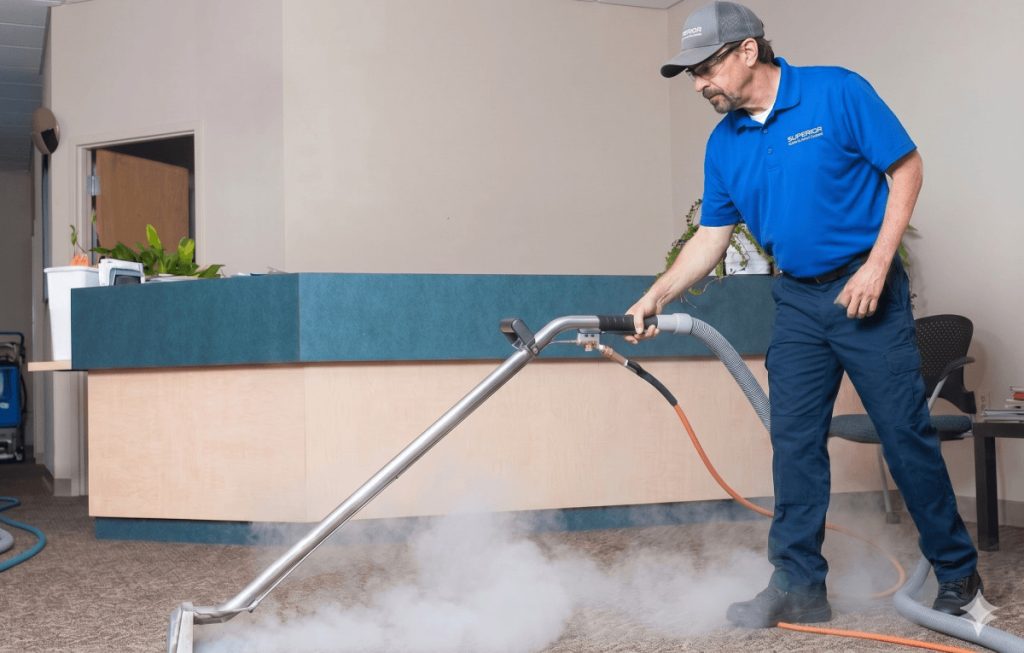
- Truck-Mounted Hot Water Extraction: Our powerful systems deliver water heated above 200°F deep into carpet pile, dissolving soil and contamination while immediately extracting dirty water and dissolved contaminants—the most effective cleaning method according to major carpet manufacturers and the IICRC.
- pH-Balanced Solutions: Professional cleaning products formulated to maintain safe pH levels that effectively clean without damaging fibers or dyes in your Salem, Eugene, or Corvallis home.
- Complete Rinse and Extraction: Unlike rental equipment or inferior services, our systems thoroughly rinse cleaning solutions and extract residues that would otherwise attract dirt and cause rapid resoiling.
- Protective Treatments: Optional carpet protector application creates barriers resisting soil and staining, extending time between cleanings while protecting your investment throughout your Oregon home.
Why Choose Dr. Carpet Clean
As a family-owned and operated business serving Oregon for decades with over 70 five-star reviews and BBB accreditation, we bring expertise protecting carpet investments throughout Portland, Salem, Eugene, Corvallis, Albany, and all surrounding communities. Our multiple locations throughout the Willamette Valley and Portland metropolitan area ensure prompt, professional service when you need it.
Contact us today or visit DrCarpetClean.com to schedule professional carpet cleaning protecting your investment from these common damaging mistakes. Trust Oregon’s carpet care experts with decades of family ownership and commitment to excellence serving families throughout the region.