


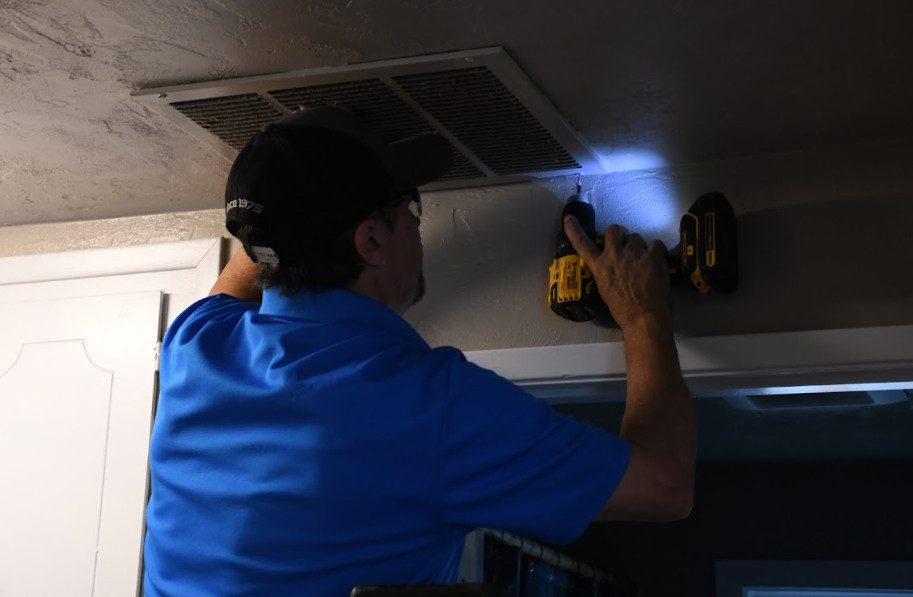
When Lake Oswego homeowners need reliable dryer vent cleaning services, Dr. Carpet Clean delivers comprehensive solutions that protect your home from fire hazards, improve dryer efficiency, and reduce energy costs. Serving Lake Oswego and surrounding communities including Portland, West Linn, Tigard, and Beaverton, our certified technicians provide thorough dryer vent cleaning that eliminates lint buildup, restores proper airflow, and keeps your family safe.
The Critical Importance of Dryer Vent Cleaning
The U.S. Fire Administration, part of the Federal Emergency Management Agency (FEMA), reports that approximately 2,900 home clothes dryer fires are reported each year, causing an estimated 5 deaths, 100 injuries, and $35 million in property loss annually. According to their research, failure to clean dryer vents is the leading cause of these fires, accounting for 34% of all dryer-related home fires.
For Lake Oswego’s approximately 40,731 residents living in U.S. Census Bureau documented households, many in homes built between the 1960s and 1990s, dryer vent maintenance represents a critical but often overlooked home safety priority. The National Fire Protection Association (NFPA) emphasizes that regular dryer vent cleaning significantly reduces fire risk while improving appliance performance and energy efficiency.
Lake Oswego’s humid climate, with annual precipitation averaging 42.8 inches according to NOAA data, creates additional challenges for dryer vent systems. Moisture combines with lint accumulation to create dense blockages that restrict airflow, force dryers to run longer cycles, and create dangerous conditions where lint can ignite from the dryer’s heating element.
Understanding Dryer Vent Fire Hazards
The Consumer Product Safety Commission (CPSC) identifies lint accumulation as an extreme fire hazard due to its highly flammable nature and the high temperatures generated during dryer operation. When lint builds up in dryer vents, exhaust ducts, and lint traps, it creates conditions where even normal dryer heat can trigger ignition.
- How Dryer Fires Start: According to the U.S. Fire Administration, dryer fires typically occur when lint accumulation restricts airflow, causing heat buildup that exceeds safe operating temperatures. The dryer’s heating element, which can reach temperatures exceeding 550°F, provides an ignition source when lint-restricted airflow prevents proper heat dissipation. Once ignited, lint burns rapidly, spreading fire through ductwork and potentially into wall cavities before homeowners even realize danger exists.
- Peak Fire Risk Periods: The NFPA reports that January experiences the highest number of dryer fires, coinciding with Lake Oswego’s wettest, coldest months when residents run dryers more frequently and outdoor humidity increases lint moisture content, making blockages more likely. During these months, Lake Oswego families often dry heavy items like blankets, comforters, and winter clothing that generate substantial lint while requiring extended drying times.
- Warning Signs of Fire Risk: The CPSC identifies several warning signs indicating dangerous lint buildup: clothes taking longer than one cycle to dry, clothes remaining unusually hot at cycle end, the dryer exterior becoming extremely hot, burning smells during operation, excessive heat in the laundry room, visible lint around the dryer door or outside vent opening, and the outdoor vent flap not opening properly during dryer operation.
Health and Air Quality Impacts
Beyond fire safety, clogged dryer vents create indoor air quality problems throughout Lake Oswego homes. When dryer vents become blocked, moisture and potentially harmful gases can backdraft into living spaces rather than exhausting outdoors as designed.
The EPA notes that gas dryers produce carbon monoxide and other combustion byproducts that must vent outside. Blocked dryer vents can allow these dangerous gases to accumulate indoors, creating serious health risks including headaches, dizziness, nausea, and in severe cases, carbon monoxide poisoning. The CDC warns that carbon monoxide is an odorless, colorless gas that can be deadly, making proper dryer vent function essential for homes with gas dryers.
Energy Efficiency and Cost Savings
The U.S. Department of Energy identifies clothes dryers as one of the most energy-intensive household appliances, accounting for approximately 6% of residential electricity consumption. When dryer vents become clogged with lint, dryers must run significantly longer to dry clothes, dramatically increasing energy waste and utility costs.
According to Energy Star, a program jointly administered by the EPA and Department of Energy, a clogged dryer vent can increase drying time by 30 minutes or more per load. For Lake Oswego families running multiple loads weekly, this additional runtime translates to substantial annual energy waste. The Department of Energy estimates that maintaining clean dryer vents can reduce energy consumption by 20-30%, saving the average household $18-24 monthly on utility bills.
Clean dryer vents also extend appliance lifespan by reducing mechanical stress on dryer components. When airflow is restricted, the dryer’s motor works harder, the heating element cycles more frequently, and overall wear accelerates. The CPSC notes that this increased strain shortens dryer lifespan and increases repair frequency, with replacement costs for residential dryers ranging from $400 to $1,500.Even electric dryers pose air quality concerns when vents become blocked. The EPA identifies excess moisture as a primary cause of mold growth in homes. When dryer moisture cannot exhaust properly, it increases indoor humidity levels, creating conditions favorable for mold proliferation throughout Lake Oswego homes already challenged by the Pacific Northwest’s naturally humid climate.
How Professional Dryer Vent Cleaning Works
Dr. Carpet Clean follows comprehensive dryer vent cleaning protocols that address the entire exhaust system from dryer connection through exterior vent termination:
- Complete System Inspection: Our technicians begin by inspecting your dryer vent system, identifying the vent path, measuring vent length, checking for damage or disconnections, and assessing lint accumulation levels. We inspect both interior dryer connections and exterior vent terminations to ensure complete system evaluation.
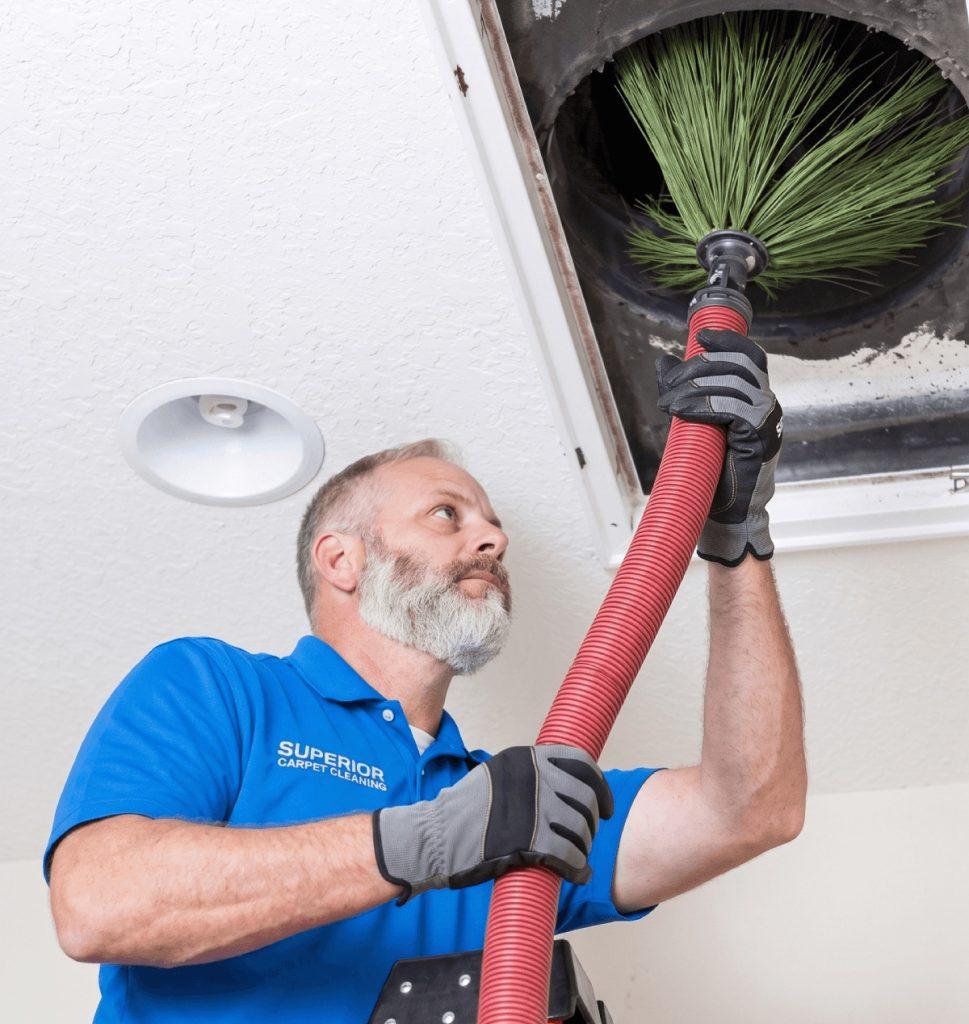
- Specialized Equipment Deployment: We use professional rotary brush systems specifically designed for dryer vent cleaning. These specialized tools, combined with powerful vacuum collection systems, thoroughly remove lint from every inch of ductwork without damaging vent materials. Our equipment effectively cleans vents up to 35 feet in length, accommodating most residential dryer vent configurations.
- Thorough Lint Removal: Our technicians systematically clean the entire vent path, removing accumulated lint from the dryer’s lint trap housing, transition duct, main vent line, elbows and bends, and exterior vent hood. We ensure complete removal of lint, bird nests, rodent debris, and other obstructions that restrict airflow.
- System Testing and Verification: After cleaning, we test dryer performance by measuring exhaust airflow, verifying proper vent flap operation, checking for adequate heat dissipation, and ensuring no backdrafting occurs. This verification confirms that your dryer vent system functions safely and efficiently.
- Maintenance Recommendations: Based on our inspection findings, we provide specific recommendations for maintaining optimal dryer performance, including filter replacement schedules, vent routing improvements if needed, and suggested cleaning intervals based on your household’s dryer usage patterns.
Signs Your Lake Oswego Home Needs Dryer Vent Cleaning
The U.S. Fire Administration and NFPA recommend professional dryer vent cleaning when homeowners observe these warning signs:
- Extended Drying Times: If clothes require more than one cycle to dry completely, lint buildup is restricting airflow and forcing your dryer to work harder and longer.
- Excessive Heat: When the dryer exterior, laundry room, or dried clothes feel unusually hot, inadequate ventilation is preventing proper heat dissipation, creating dangerous conditions.
- Burning Odors: Any burning smell during dryer operation indicates lint may be overheating near the heating element, representing an immediate fire hazard requiring professional attention.
- Visible Lint Accumulation: Lint appearing around the dryer door, on nearby surfaces, or around the exterior vent opening indicates severe vent restriction forcing lint back into living spaces.
- Vent Flap Malfunction: The exterior vent flap should open fully during dryer operation and close when the dryer stops. If the flap remains closed or only partially opens, blockage is preventing proper exhaust.
- Increased Utility Bills: Unexplained increases in electricity or gas costs often correlate with dryer efficiency loss caused by clogged vents forcing extended run times.
Dryer Vent Cleaning Frequency Recommendations
The U.S. Fire Administration recommends annual professional dryer vent cleaning for most households. However, Lake Oswego homes may require more frequent cleaning based on specific factors:
- Large Families: Households running multiple dryer loads daily generate substantial lint, requiring professional cleaning every 6-9 months according to CPSC guidelines.
- Pet Owners: Homes with dogs or cats experience accelerated lint accumulation from pet hair, warranting cleaning every 6-12 months.
- Long Vent Runs: The International Residential Code, published by the International Code Council, limits dryer vent length to 25 feet with reductions for elbows and bends. Longer vent runs accumulate lint more quickly and require more frequent professional cleaning.
- Older Homes: Many Lake Oswego homes built in the 1960s-1990s feature dryer vent configurations that don’t meet current building codes, including excessive length, multiple bends, or improper materials. These systems require more frequent professional attention.
- Gas Dryers: Because gas dryers produce combustion byproducts that must exhaust completely, the CPSC recommends more vigilant maintenance including annual or semi-annual professional cleaning.
DIY Maintenance Between Professional Cleanings
While professional dryer vent cleaning remains essential, the CPSC recommends several maintenance tasks Lake Oswego homeowners can perform between professional services:
- Clean the Lint Trap: Remove lint from the lint screen before or after every load. Monthly, wash the lint screen with warm soapy water to remove fabric softener residue that can clog the screen mesh.
- Inspect the Exterior Vent: Monthly, check that the exterior vent flap opens freely during dryer operation and closes completely when the dryer stops. Remove any visible lint, leaves, or debris from the vent hood.
- Check Behind the Dryer: Quarterly, carefully pull the dryer away from the wall and vacuum lint from the dryer’s rear panel and floor area. Inspect the transition duct for damage, disconnection, or excessive lint accumulation.
- Monitor Dryer Performance: Pay attention to drying times and dryer temperature. Any changes indicating reduced efficiency should prompt professional inspection.
- Use Proper Dryer Settings: The Department of Energy recommends using moisture-sensor settings rather than timed cycles, as sensors prevent over-drying that wastes energy while potentially damaging clothes.
Lake Oswego’s Climate and Dryer Vent Challenges
Lake Oswego’s climate creates specific challenges for dryer vent systems. According to NOAA, the Portland metropolitan area’s marine climate produces high humidity levels year-round, particularly during fall and winter months when precipitation peaks.
The National Weather Service reports that Lake Oswego experiences its wettest conditions from November through March, coinciding with peak dryer usage as outdoor clothesline drying becomes impractical. This combination of high humidity and frequent dryer use accelerates lint compaction within vents as moisture causes lint to stick together and adhere to duct walls.
Additionally, Lake Oswego’s proximity to Oswego Lake and the Willamette River creates localized humidity that can affect dryer vent systems. The EPA notes that high humidity environments require extra attention to ventilation systems to prevent moisture-related problems including mold growth and material degradation.
What Sets Dr. Carpet Clean Apart
Lake Oswego homeowners choosing Dr. Carpet Clean receive dryer vent cleaning services backed by professional expertise and commitment to safety:
- Certified Technicians: Our team receives ongoing training in proper dryer vent cleaning techniques, safety protocols, and building code requirements, ensuring every service meets or exceeds industry standards.
- Professional Equipment: We invest in commercial-grade rotary brush systems and high-powered vacuum equipment specifically designed for thorough dryer vent cleaning without system damage.
- Complete Service: Unlike surface-level cleaning that only addresses accessible sections, we clean the entire dryer vent system from dryer connection through exterior termination, ensuring complete lint removal and optimal safety.
- Safety-Focused Approach: We prioritize fire safety in every service, inspecting for hazards, identifying code violations, and recommending necessary corrections to protect your Lake Oswego home and family.
- Transparent Pricing: We provide detailed written estimates before beginning work, with no hidden fees or surprise charges. Lake Oswego homeowners receive clear explanations of recommended services.
- Local Expertise: As Lake Oswego dryer vent cleaning specialists, we understand regional climate challenges and housing characteristics that affect dryer vent performance in Pacific Northwest homes.
Frequently Asked Questions
How often should I have my dryer vent professionally cleaned?
The U.S. Fire Administration recommends annual professional dryer vent cleaning for most households. Lake Oswego homes with large families, pets, long vent runs, or gas dryers may benefit from semi-annual cleaning.
Can I clean my dryer vent myself?
While homeowners can clean lint traps and accessible vent sections, thorough dryer vent cleaning requires specialized rotary brush equipment and powerful vacuum systems not available to consumers. The CPSC notes that professional cleaning ensures complete lint removal from the entire vent system, which DIY methods cannot achieve.
How long does professional dryer vent cleaning take?
Most Lake Oswego homes require 45 minutes to 90 minutes for complete dryer vent cleaning, depending on vent length, configuration, and contamination levels.
Will dryer vent cleaning reduce my energy bills?
Yes. The Department of Energy confirms that clean dryer vents improve efficiency by 20-30%, reducing energy consumption and lowering monthly utility costs by an estimated $18-24.
Is dryer vent cleaning really necessary for fire safety?
Absolutely. The U.S. Fire Administration identifies failure to clean dryer vents as the leading cause of the 2,900 annual dryer fires, making professional cleaning essential for home fire safety.
What if my dryer vent is very long or has many bends?
The International Residential Code limits dryer vent length and specifies deductions for elbows. Our professional equipment effectively cleans vents up to 35 feet with multiple bends, though excessively long or complex vent configurations may require modification for optimal safety and performance.
Schedule Your Lake Oswego Dryer Vent Cleaning Today
Don’t risk your family’s safety or waste money on inefficient dryer operation. Contact Dr. Carpet Clean today to schedule professional dryer vent cleaning that protects your Lake Oswego home from fire hazards while reducing energy costs and extending dryer lifespan.
Our experienced technicians provide thorough, professional service with transparent pricing and genuine commitment to your family’s safety and satisfaction. We offer flexible scheduling including evening and weekend appointments to accommodate your busy schedule.
Contact Dr. Carpet Clean in Lake Oswego
Serving Lake Oswego and the surrounding Willamette Valley, seven days a week, 6:00 AM to 8:30 PM.
Get a Free Quote